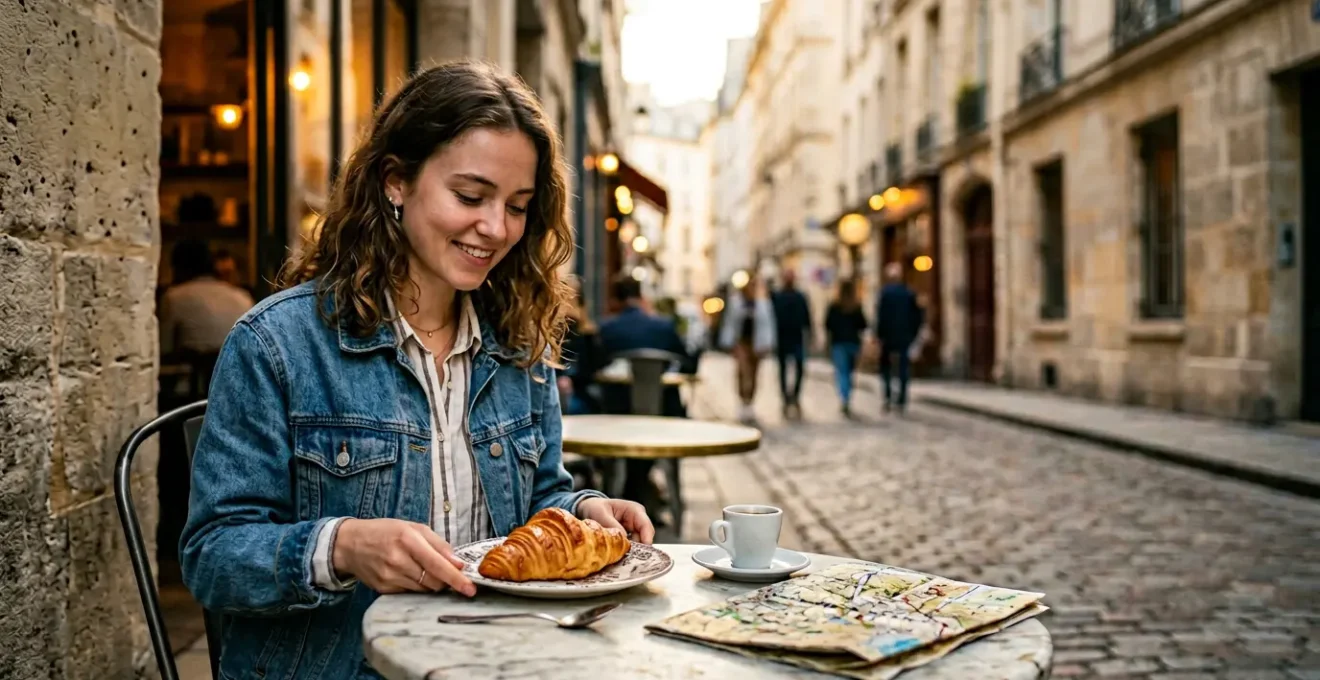
Forget the idea that Paris during Fashion Week is financially off-limits; the key isn’t spending less, but spending smarter by exploiting the city’s hidden systems.
- High-end gastronomy is accessible by targeting Michelin-starred lunch menus, often 50% cheaper than dinner.
- True cultural immersion means skipping tourist traps like « free » museum days in favor of strategic timing and authentic local alternatives.
Recommendation: Adopt an insider’s mindset. Prioritize targeted, high-quality experiences over a frantic checklist to truly savor the best of Paris.
The words « Paris Fashion Week » conjure images of runway shows, exclusive parties, and eye-watering price tags. For the savvy traveler, it signals a city at its most vibrant but also its most expensive. The common advice is to retreat: stick to bakeries, avoid popular attractions, and accept a watered-down version of the Parisian dream. This approach is built on a fundamental misunderstanding of how Paris works. The real local strategy isn’t about avoidance; it’s about arbitrage. It’s about knowing the city’s rhythms and structural loopholes to unlock premium experiences for a fraction of the cost.
Most guides will tell you to look for free activities, but they won’t tell you that these are often frustrating tourist traps. They’ll suggest using the metro but fail to mention the simple mistakes that lead to hefty fines. This guide is different. It’s built on an insider’s perspective, designed to show you how to navigate the chaos of a peak season not by shrinking from it, but by outsmarting it. We’ll explore how to dine at world-class restaurants without the Michelin-starred bill, how to experience iconic art without the « museum fatigue, » and how to find romance in places the big tour boats ignore.
This isn’t about a budget trip; it’s about a high-value one. By the end of this article, you will have a playbook for turning the perceived disadvantages of Fashion Week into your greatest assets, experiencing the pinnacle of Parisian gastronomy and culture with the confidence of a local.
To help you navigate these insider strategies, this guide is structured around the key hacks that will transform your trip. Explore the sections below to master the art of experiencing Paris like a true Parisian.
Summary: A Savvy Traveler’s Playbook for Paris During Fashion Week
- Prix Fixe Lunch vs A La Carte Dinner: Saving 50% on Michelin Food
- Why First Sundays at Museums Are the Worst Time to Visit the Louvre?
- Seine Cruise vs Canal Saint-Martin: Which Is Truly More Romantic?
- The Metro Ticket Mistake That Costs Tourists 30 Euros in Fines
- When to Visit Montmartre to Avoid the « Instagram » Crowds?
- How to Navigate Fine Art Museums to Avoid « Museum Fatigue » in Under 2 Hours?
- How to Secure a Reservation at Michelin-Starred Restaurants Without Booking 6 Months Ahead?
- How to Navigate Fine Art Museums to Avoid « Museum Fatigue » in Under 2 Hours?
Prix Fixe Lunch vs A La Carte Dinner: Saving 50% on Michelin Food
The belief that Michelin-starred dining in Paris is reserved for the ultra-wealthy is one of the biggest myths travelers fall for. While an à la carte dinner at a celebrated restaurant can indeed be a significant expense, the savviest diners know the secret lies in the midday meal. The prix fixe lunch menu is the single greatest « hack » in Parisian gastronomy, offering the same kitchen, the same chefs, and the same world-class creativity for a dramatically lower price.
This isn’t a minor discount. Experienced food bloggers confirm that you can expect 50% lower prices for lunch compared to dinner for a multi-course experience. Restaurants use these lunch services to fill tables on weekdays and allow their chefs to experiment. This creates a perfect opportunity for a visitor on a smart budget to access culinary excellence that would otherwise be out of reach. For the price of a generic tourist-trap dinner, you can have a truly memorable, Michelin-approved meal.
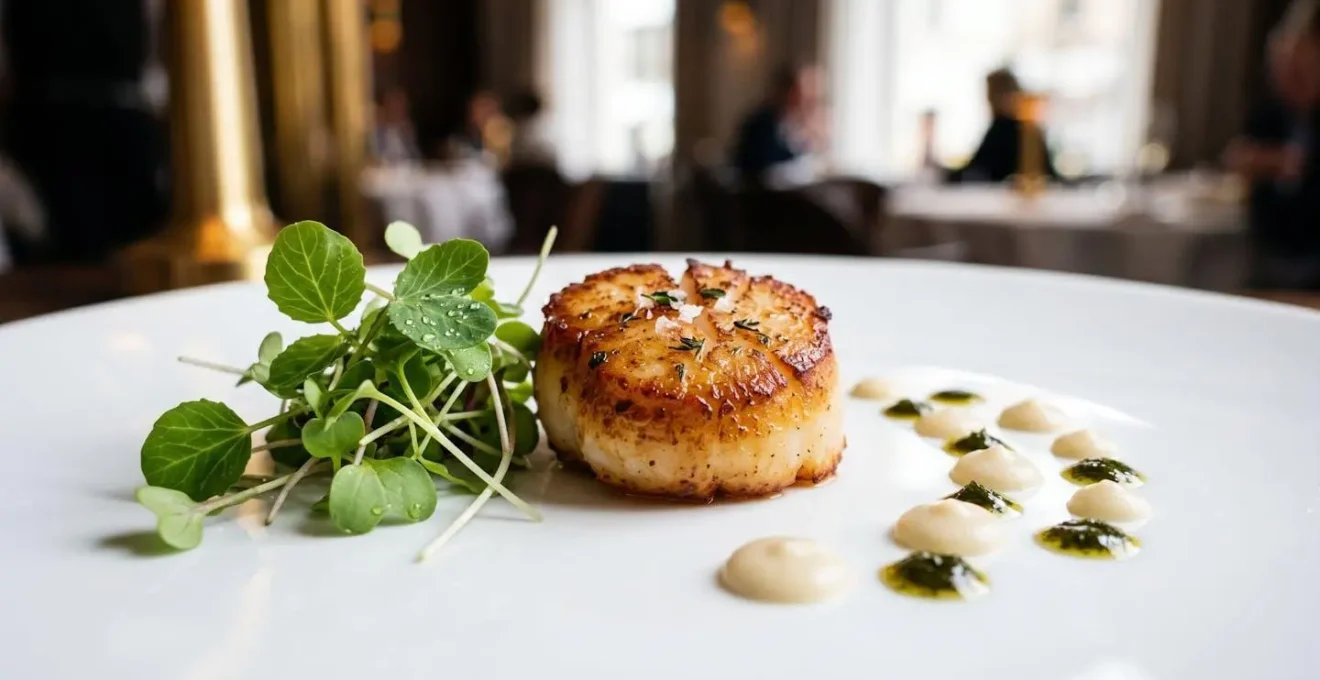
As you can see from this level of artistry, the quality is not compromised. To take advantage, your strategy should be to target these lunch menus specifically. Look for deals on booking platforms like TheFork, which often feature additional discounts, and always book in advance, as even lunch spots at top restaurants are highly sought after. Remember to also look for Bib Gourmand restaurants, a Michelin designation for establishments offering exceptional food at moderate prices—another layer of the insider’s playbook.
Why First Sundays at Museums Are the Worst Time to Visit the Louvre?
The « free first Sunday » at Parisian museums is a legendary budget travel tip that has, for the most part, become obsolete and counterproductive. For years, tourists planned their trips around this perk, but the reality was often hours-long queues and shoulder-to-shoulder crowds that made enjoying the art impossible. The Louvre, recognizing this, has changed its policy. The old free-for-all Sunday is gone, and while there are still specific free-entry moments, they are not the simple solution they appear to be.
Museum crowd management research indicates a significant shift in strategy, where free first Sunday access was phased out and replaced with first Friday evenings from 6 PM to 9:45 PM for all visitors. While « free » sounds tempting, especially during an expensive period like Fashion Week, it’s a classic tourist trap. These limited hours concentrate crowds intensely, turning a cultural experience into a stressful ordeal. You’ll spend more time navigating masses of people than actually connecting with the masterpieces you came to see.
The expert consensus is clear, especially for international visitors who don’t qualify for other year-round exemptions. As the travel guide Wonderful Museums bluntly states in its analysis of Louvre crowds:
For the average international tourist who doesn’t fall into an exempted category, no, free admission days are generally NOT worth it. Even if a free day policy were reinstated broadly, the crowds on these days are absolutely overwhelming. Expect hours-long waits just to get in.
– Wonderful Museums, Louvre Museum Busy Time guide
The insider’s play is to treat your time as your most valuable asset. Instead of chasing a « free » ticket that costs you hours of your trip, it’s far wiser to pay the entry fee and visit during a strategically quiet time, like late afternoon or on an evening opening. The real value is in the quality of your visit, not the price of your ticket.
Seine Cruise vs Canal Saint-Martin: Which Is Truly More Romantic?
The quintessential image of Parisian romance often involves a large Bateaux-Mouches gliding down the Seine, with tourists snapping photos of the Eiffel Tower. It’s a classic for a reason, but during a peak time like Fashion Week, it becomes a crowded, impersonal, and predictable experience. The savvy traveler seeking genuine romance and a glimpse into authentic Parisian life looks elsewhere: to the Canal Saint-Martin. This is a perfect example of experience arbitrage, where the more memorable and authentic option is also the most budget-friendly.
The Canal offers a completely different atmosphere. Instead of grand monuments viewed from a distance, you get an intimate, ground-level view of a vibrant neighborhood. You’ll see locals picnicking along the banks, charming iron footbridges, and the unique system of locks and swing bridges in action. This is where Parisians go to relax and socialize, offering an escape from the tourist bubble. The following comparison, based on insights from seasoned travelers, breaks down the key differences.
| Aspect | Seine River Cruise | Canal Saint-Martin |
|---|---|---|
| Atmosphere | Tourist-centric, monument-gazing | Local-watching, authentic Parisian life |
| Cost | €15-€40+ per person | Free (self-guided walk/picnic) |
| Crowd Level | High tourist concentration | Mixed locals and travelers |
| Best Time | Evening (Eiffel Tower sparkle timing) | Late afternoon/early evening |
| Experience Type | Passive observation | Active immersion |
| Fashion Week Appeal | Classic tourist activity | Escape from PFW bubble |
As the table illustrates, the choice depends on your goal. If you want to check off major sights from a distance, the Seine cruise delivers. But if your definition of romance involves active immersion, authentic atmosphere, and the feeling of discovering a hidden gem, a simple walk and a bottle of wine along the Canal Saint-Martin is infinitely more rewarding. It costs nothing and provides a priceless memory far from the Fashion Week frenzy.
The Metro Ticket Mistake That Costs Tourists 30 Euros in Fines
Navigating the Paris Métro is essential for any budget-conscious traveler, but its efficiency hides a system of rules that can be costly if ignored. The most common and frustrating mistake tourists make involves their ticket. Many assume that once they’ve passed through the entry turnstile, the small paper ticket is no longer needed. This is a critical error. RATP, the Paris transport authority, conducts frequent checks, and being unable to present a validated ticket for your current journey results in an on-the-spot fine.
These are not minor penalties. According to official data, travelers can face fines from €35 to €180 for invalid tickets, with the lower amount applicable if paid immediately. This single mistake can cost more than a day’s food budget. The rule is simple: keep your ticket on you until you have fully exited the station at your destination. Another common pitfall is using a standard « t+ » ticket for a journey outside of Zone 1, such as to the La Défense business district, which requires a specific « Billet Origine-Destination. »
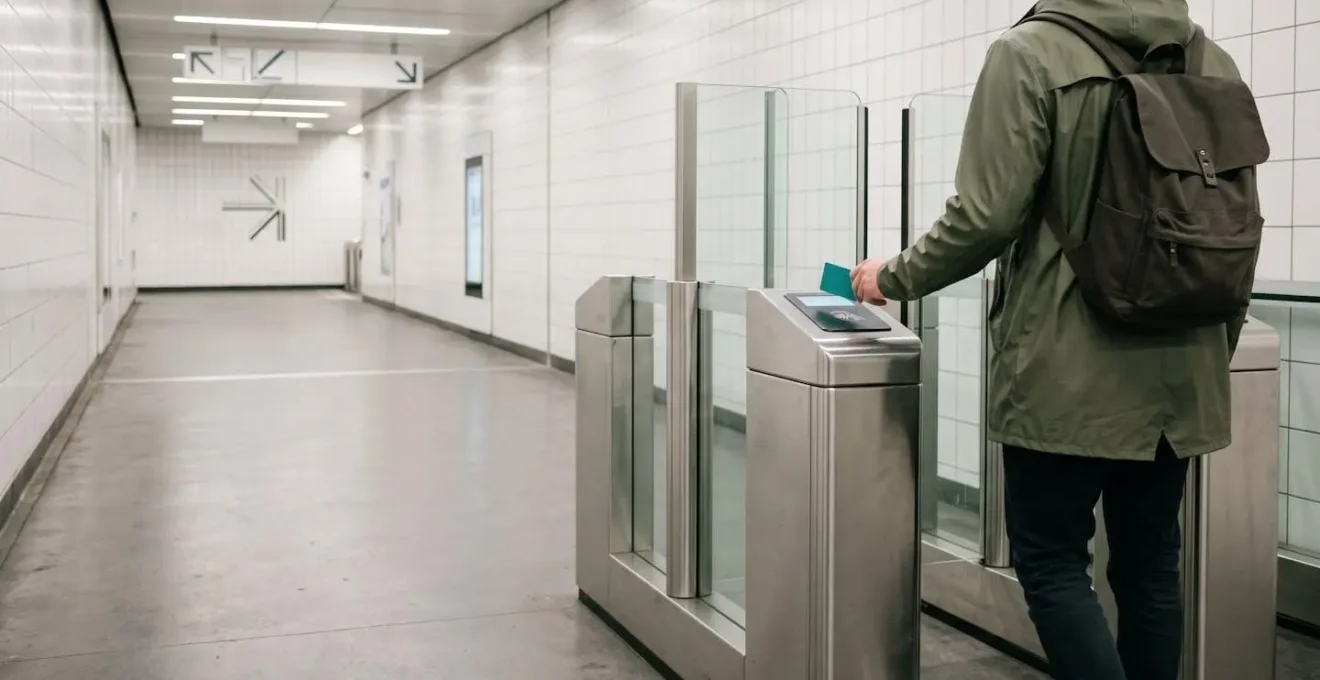
To avoid these issues entirely, especially during a hectic week, consider a weekly Navigo Découverte pass. It runs from Monday to Sunday and, for a fixed price, offers unlimited travel across all zones, eliminating any ticket-related stress. Below is a checklist to ensure your metro journeys remain smooth and fine-free.
Action Plan: How to Avoid Paris Metro Fines
- Retain Your Ticket: Always keep your validated ticket with you throughout your entire journey until you exit your destination station.
- Verify Your Zone: Ensure you have the correct ticket type. A standard t+ ticket is for Zone 1 only; destinations like Versailles or CDG Airport require a different ticket.
- Validate Every Time: On buses and trams, you must actively validate your ticket in the machine onboard, as there are no automatic gates.
- One Pass, One Person: Never share a pass like a Navigo. Each traveler must have and validate their own individual pass for each journey.
- Check Pass Validity: If using a weekly Navigo pass, remember it is strictly valid from Monday morning to Sunday night, regardless of when you buy it.
When to Visit Montmartre to Avoid the « Instagram » Crowds?
Montmartre, with its cobblestone streets, artistic history, and stunning views from the Sacré-Cœur, is a magnetic Parisian neighborhood. Unfortunately, this also makes it a prime target for « Instagram crowds » who descend in droves, especially on weekends, turning a charming stroll into a battle for sidewalk space. During Fashion Week, this is amplified. However, experiencing the magic of Montmartre without the masses is entirely possible if you understand the area’s rhythm and visit with a clear strategy.
The key is timing. The vast majority of tourists visit between 10 AM and sunset. The local play is to operate outside these hours. An early morning visit, before 10 AM, offers a completely different world. The streets are quiet, sunlight filters through the alleys, and you can enjoy the Place du Tertre before it’s swamped with artists and onlookers. As one experienced traveler on a Paris forum noted, the difference is night and day:
The best time to visit Montmartre is early morning, late night, or afternoon. Crowds happen when everyone behaves the same. Montmartre is void, tranquil and lovely at 9AM, even the sacred heart steps and the funicular all serene.
– Paris travel forum contributor, TripAdvisor Paris Forum discussion
Another excellent strategy is the « reverse itinerary. » Most people arrive at the Anvers or Abbesses metro stops and climb the hill. Instead, take the metro to Lamarck-Caulaincourt at the back of the butte. This route takes you on a gentle, picturesque walk downhill through quieter, more residential streets, ending at the Sacré-Cœur. During Fashion Week, the mid-afternoon lull between 2 PM and 5 PM can also be a sweet spot, as many visitors are at shows or presentations. By simply zigging when everyone else zags, you can reclaim this iconic neighborhood for yourself.
How to Navigate Fine Art Museums to Avoid « Museum Fatigue » in Under 2 Hours?
Paris is home to some of the world’s greatest art collections, but their sheer scale can be overwhelming. « Museum fatigue »—a feeling of exhaustion and mental burnout from trying to see too much—is a real phenomenon, especially in vast institutions like the Louvre or Musée d’Orsay. The typical tourist approach of wandering aimlessly until exhaustion sets in is inefficient and diminishes the experience. The insider’s strategy is to visit with a purpose and a time limit, transforming the museum from a checklist to be completed into a targeted, enjoyable experience.
A two-hour visit is the ideal duration. It’s long enough to engage deeply with art but short enough to leave you energized and wanting more. To make this work, you must abandon the idea of « seeing everything. » Instead, adopt a focused method. Before you even arrive, use the museum’s online collection to pre-select 5 to 7 masterpieces you genuinely want to see. Map their locations and treat your visit like a treasure hunt. This gives your journey a narrative and a clear endpoint.
Another powerful technique is the ‘One Masterpiece, Three Contexts’ method. Choose one iconic work—say, the Mona Lisa. Then, spend your 90 minutes on a mission: find a piece by one of da Vinci’s rivals, a work that influenced him, and an artist who was later influenced by his style. This creates a deep, memorable story rather than a superficial survey. Crucially, plan for mandatory breaks. As experts at Wonderful Museums advise, you should « step out into one of the courtyards, find a bench in a quiet gallery, or head to a cafe for a coffee and a snack. » This isn’t wasting time; it’s an essential part of absorbing culture without burnout.
How to Secure a Reservation at Michelin-Starred Restaurants Without Booking 6 Months Ahead?
During Fashion Week, securing a table at a top Paris restaurant can feel like an impossible task. The city’s best tables are often booked months in advance, leaving the spontaneous traveler with few options. This is a common point of frustration, as the food guide Take a Chef notes, « A spontaneous approach routinely ends in disappointment. » However, there are several insider strategies for snagging a last-minute reservation, even at the most sought-after establishments.
The most common frustration among food travelers in Paris is the reservation problem. The city’s best bistros, wine bars, and tasting menus book out weeks, sometimes months, in advance. A spontaneous approach routinely ends in disappointment.
– Take a Chef, Paris food trip guide
Your first and most powerful tool is flexibility. One of the best hacks is to target a seat at the bar or chef’s counter. Many restaurants reserve these for walk-ins or last-minute bookings. Dining solo dramatically increases your chances, as a single seat is far easier to accommodate than a table for two. This often provides an even better experience, with direct interaction with the chefs and bar staff.
Secondly, leverage technology. Sign up for digital waitlists on platforms like SevenRooms or directly on the restaurant’s website. These systems will send you an automatic notification the moment a table opens up due to a cancellation—a frequent occurrence during the fluid schedules of Fashion Week. Following your target restaurants and their chefs on social media, particularly Instagram, is also crucial. Many will post last-minute availability in their Stories, rewarding their most engaged followers. Finally, never forget the power of the weekday lunch. It’s not only more affordable but also significantly easier to book than a primetime dinner slot.
Key takeaways
- Hack the System: The best Parisian experiences during peak season come from understanding and using its systems (prix fixe menus, off-peak hours) to your advantage, not avoiding them.
- Value Time Over « Free »: A €20 museum ticket for a quiet, meaningful visit is a better investment than a « free » ticket that costs you three hours in a queue.
- Embrace Experience Arbitrage: Often, the more authentic, local, and memorable experience (Canal Saint-Martin, a local market) is also the most affordable.
How to Navigate Fine Art Museums to Avoid « Museum Fatigue » in Under 2 Hours?
We’ve discussed the tactics for a better museum visit, but the ultimate strategy is a shift in mindset. Avoiding « museum fatigue » isn’t just a technique; it’s a philosophy for consuming culture in a city as dense as Paris. It’s about rejecting the pressure to do everything and instead embracing the art of the curated experience. This approach is the key to truly enjoying Paris during Fashion Week, or any other time.
The tourist mindset is one of scarcity and checklists, driven by a fear of missing out. This leads to frantic, 10-hour-a-day schedules that leave you exhausted and with only a superficial appreciation for what you’ve seen. The insider mindset is one of abundance and intention. It recognizes that you can’t see all of the Louvre in a day, or even a lifetime, and that’s okay. The goal is not to conquer the museum but to have a meaningful conversation with a few select pieces of art.
Applying this philosophy means seeing the museum not as a task, but as a « Third Place »—a place for enjoyment and reflection. Give yourself permission to spend 20 minutes in the museum café simply because it has a beautiful view of the Tuileries Garden. This is not time wasted; it’s part of the experience. This mindset extends beyond museums to your entire trip. Instead of rushing between five arrondissements in one day, choose one and explore it deeply: its bakeries, its hidden courtyards, its small shops. This is how you move from being a tourist who sees Paris to a traveler who feels it.
Your trip to Paris, even during the exhilarating chaos of Fashion Week, can be one of profound cultural and gastronomic discovery. By applying these insider strategies, you are not just saving money; you are buying a richer, more authentic experience. The next step is to start planning your visit with this new, empowered mindset.