Lifestyle & Culture
Modern lifestyle and culture encompass far more than fleeting trends; they represent a fundamental shift toward intentional living. Today, navigating our daily environments requires a mindful approach to how we consume, travel, curate our spaces, and appreciate the arts. Whether it is transforming kitchen scraps into culinary triumphs or understanding the hidden nuances of classical paintings, living purposefully enriches our personal experiences while fostering a deeper connection to the global community.
This comprehensive exploration bridges the gap between domestic practicalities and worldly curiosities. By examining the intersections of sustainable gastronomy, ergonomic design, slow travel, and cultural immersion, we uncover actionable philosophies that elevate the everyday. The following sections delve into the essential pillars of a modern, cultivated lifestyle, offering expert insights to help you make informed, confident choices in every aspect of your routine.
Mindful Gastronomy and Sustainable Home Cooking
The contemporary kitchen is no longer just a place for food preparation; it is a dynamic environment where sustainability meets culinary artistry. Adopting a conscious approach to cooking not only benefits the planet but also significantly impacts your household budget.
Mastering Zero-Waste Culinary Arts
Treating your kitchen like a closed-loop ecosystem is the cornerstone of zero-waste cooking. Many home cooks fall victim to the « aspiringchef » mistake—purchasing highly specialized, perishable ingredients for a single recipe, leading to substantial food waste. To counter this, versatile cooking techniques are essential:
- Root-to-stem utilization: Discarding broccoli stems or carrot tops is akin to throwing away money. These elements can be transformed into nutrient-dense pestos, slaws, or foundational broths.
- Strategic fermentation: Before surplus vegetables spoil in the crisper drawer, lacto-fermentation can extend their lifespan by months, developing complex flavors that elevate everyday meals.
- Pantry auditing: Regularly rotating stock and planning meals around existing ingredients prevents the costly accumulation of forgotten staples.
Navigating Dietary Transitions and Sourcing
As nutritional awareness evolves, many individuals are re-evaluating their consumption of animal proteins. When swapping meat for legumes, a gradual transition plan is far more sustainable for carnivores than an abrupt dietary overhaul. Incorporating high-quality lentils or chickpeas into familiar sauces helps the palate adjust seamlessly. Furthermore, the debate between local seasonal produce and imported organic goods remains pivotal. While organic farming reduces pesticide use, prioritizing local seasonal ingredients often yields a lower carbon footprint and supports regional agriculture, proving truly better for the planet.
Demystifying the Fine Dining Experience
Engaging with high-end gastronomy can sometimes feel intimidating, yet understanding the mechanics of fine dining transforms it from a daunting luxury into an accessible cultural experience.
Securing Tables and Maximizing Value
Reserving a table at a Michelin-starred establishment does not always require planning six months in advance. Savvy diners utilize the « sameday » call, contacting restaurants shortly after their cancellation window closes to secure highly coveted spots. When considering value, the business lunch menu remains the best-kept secret in fine dining, offering the same exquisite culinary craftsmanship as dinner service but at a fraction of the cost.
Etiquette and Menu Navigation
Modern fine dining has relaxed its rigid rules, but understanding nuances is still crucial for a seamless experience. Decoding dress codes like « smartcasual » means striking a balance between polished and comfortable—opting for tailored separates rather than formal gowns or stiff suits. When ordering, consider the following:
- Pairing Menu vs. Bottle: For couples, sharing a carefully selected bottle often offers better value and pacing than individual pairing menus, which can sometimes overwhelm the palate.
- The Chef’s Table: Dining alone at the counter provides an unparalleled, interactive vantage point, allowing for direct engagement with the culinary team.
Curating an Adaptable and Ergonomic Home
Your living space deeply influences your physical well-being and mental clarity. As families grow and lifestyles shift, investing in intelligent, adaptable furniture prevents continuous repurchasing and supports long-term health.
The Mechanics of Modular Living
Modular furniture systems are the ultimate solution for dynamic households. However, knowing when to expand your modular shelving is critical; signs like stacked books on the floor or cluttered horizontal surfaces indicate your current storage is failing. When configuring modular sofas for spontaneous sleepovers, the best systems utilize intuitive locking mechanisms that allow for a secure, flat transformation in under five minutes.
Ergonomics and Material Longevity
Designing for children requires balancing immediate needs with future growth. Cheap « growwithme » furniture often costs double in the long run due to rapid degradation and poor postural support. Instead, true ergonomic adaptability relies on adjustable tension and proper spinal alignment.
- The Ball Chair Myth: While popular for active sitting, prolonged use of stability balls can actually fatigue a child’s lower back muscles, making structured ergonomic chairs a safer choice.
- Solid Wood vs. Laminate: When facing the wear and tear of active toddlers, solid wood survives significantly better. It can be sanded and refinished, whereas deep scratches in laminate expose the particle board, ruining the piece entirely.
Slow Travel and the Digital Nomad Paradigm
The rise of remote work has birthed the slow travel movement—a philosophy that prioritizes deep, sustained engagement with a single location over rushing through tourist checklists. Maintaining productivity while changing cities monthly requires strategic planning and emotional awareness.
Establishing a Functional Base
Arriving in a new city demands immediate structural organization to ensure professional continuity. Implementing a strict « First48Hours » protocol is essential:
- Secure basic logistics (local SIM cards, transit passes, grocery layouts).
- Set up the workspace immediately, testing ergonomic setups and lighting.
- Verify connectivity, as « Wi-Fiavailable » listings are notoriously deceptive traps for video calls; always request a speed test screenshot before booking.
Legally, understanding the distinction between a tourist visa and a dedicated digital nomad visa is paramount for extended stays, with the latter offering vital protections and tax clarity.
Community Integration and Well-being
Building a social life organically is a common hurdle. Making friends in a new city without dating apps involves engaging in routine-based activities, such as joining local running clubs, attending recurring workshops, or frequenting the same neighborhood café. Additionally, remote workers must remain vigilant for signs of travel fatigue. When the thrill of exploration is replaced by apathy toward new environments, it is a clear signal to stop moving and establish deeper roots.
Collecting Authentic Craftsmanship
Immersing oneself in local culture often involves acquiring traditional arts and crafts. However, navigating global markets requires a discerning eye to ensure fair trade and authenticity.
Distinguishing Genuine Artisanal Work
Shopping at artisanal markets presents the challenge of distinguishing authentic crafts from mass-produced tourist traps. True craftsmanship reveals itself in the subtle imperfections of handmade goods. For instance, telling real alpaca wool from synthetic blends relies on touch: genuine alpaca is cool to the touch and slightly heavy, whereas synthetics feel unnaturally warm and light. To secure the best selection, arriving at the market early is crucial, even if the best prices are often negotiated later in the day.
Commissioning and Investing in Art
Investing in local craftsmanship preserves cultural heritage while acquiring pieces that gain global value. The skyrocketing appreciation of Japanese Kintsugi pottery highlights a growing market respect for the beauty of repaired imperfections. When purchasing overseas, keep these guidelines in mind:
- The Studio Visit: Always ask to see the workshop; this confirms authenticity and provides valuable context about the creator’s process.
- Pricing Nuances: Understand the price gap between a « studiopiece » (made by apprentices) and a work directly signed by the master artisan.
- Logistics: Calculate the cost of checking heavy ceramics as a carry-on versus shipping them home, and be acutely aware of the « depositrisk » when commissioning overseas work.
A New Approach to Art and Museum Appreciation
Visiting fine art museums should be an inspiring endeavor, not an exhausting chore. Rethinking how we consume visual culture allows for deeper emotional resonance and prevents the dreaded museum fatigue.
Strategic Navigation of Cultural Institutions
To fully absorb a collection, limit your visit to under two hours. Implementing a top-down route often avoids the heaviest crowds, as most visitors naturally cluster on the ground floors. When dealing with highly trafficked masterpieces like the Mona Lisa, research the institution’s traffic patterns to find the brief window when viewing is actually bearable—often during local mealtimes or late-night openings.
Enhancing the Immersive Experience
Our interaction with the art itself dictates the quality of the visit. Reading every informational placard actively destroys your appreciation of the art by shifting the brain from a state of visual processing to analytical reading. Instead, allow the visuals to provoke an unmediated response. Furthermore, tailoring your auditory experience can dramatically alter your perception. While official audio guides provide historical context, curating personalized ambient Spotify playlists often results in a far more profound, cinematic immersion into the artwork’s atmosphere. Finally, training your eye to notice restoration details—such as the controversies surrounding « cleaned » classical paintings—adds a fascinating layer of historical detective work to your cultural excursions.

How to Navigate Fine Art Museums to Avoid « Museum Fatigue » in Under 2 Hours?
The key to conquering museum fatigue is not to see less, but to see with intention, transforming your visit by adopting a curator’s selective mindset. Instead of passively consuming, you must actively choose what to engage with and, more importantly,…
Lire la suite
Investing in Local Craftsmanship: Which Traditional Arts Are Gaining Value Globally?
Investing in traditional art requires more than a good eye; it demands a financial framework to distinguish appreciating assets from mere decoration. The true value of a craft is found in a combination of verifiable provenance, quantifiable market signals, and…
Lire la suite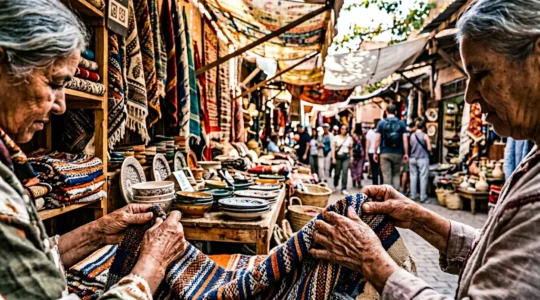
Shopping at Artisanal Markets: How to Distinguish Authentic Crafts From Mass-Produced Tourist Traps?
Authenticity in craftsmanship is not found on a label, but in the story of its creation, which any traveler can learn to read. Genuine craft has « material honesty »—physical tells like the subtle inconsistencies in alpaca wool or the weight of…
Lire la suite
Slow Travel for Digital Nomads: How to Maintain Productivity While Changing Cities Monthly?
True digital nomad productivity isn’t about willpower; it’s about having a system to conquer the chaos of relocation. Master a « First 48 Hours » protocol to make any new space a functional office instantly. Adopt « slow travel » not just as a…
Lire la suite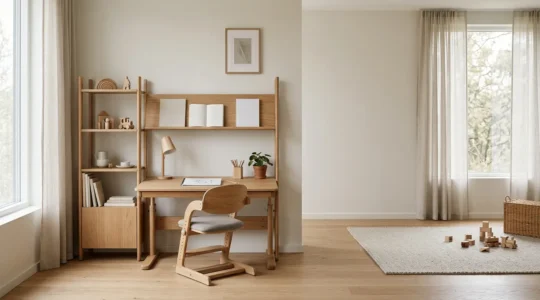
Modular Ergonomic Furniture: Which System Adapts Best to a Growing Child’s Spine?
The true value of ergonomic furniture isn’t its adjustability, but its role as a long-term health system that prevents accumulating « postural debt » in a growing child. Cheap, non-repairable furniture often requires replacement within a child’s growth period, doubling the effective…
Lire la suite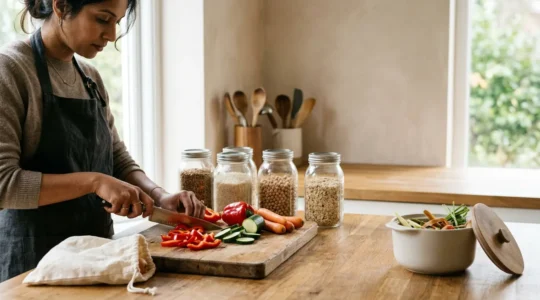
Zero-Waste Cooking: How a Chef’s Mindset Can Cut Your Grocery Bill by $200 a Month
Shifting to a zero-waste kitchen is the single most effective strategy for eating gourmet food on a tight budget, not by depriving yourself, but by unlocking hidden value in every ingredient. It redefines « waste » like broccoli stems and vegetable peels…
Lire la suite